
Views: 13 Author: Monica Publish Time: 2025-12-24 Origin: Site


As a steel plate supplier with decades of industry experience, I often field questions about pricing for one of the most widely used steel products: the 1/4 inch thick, 4x8 foot steel plate.
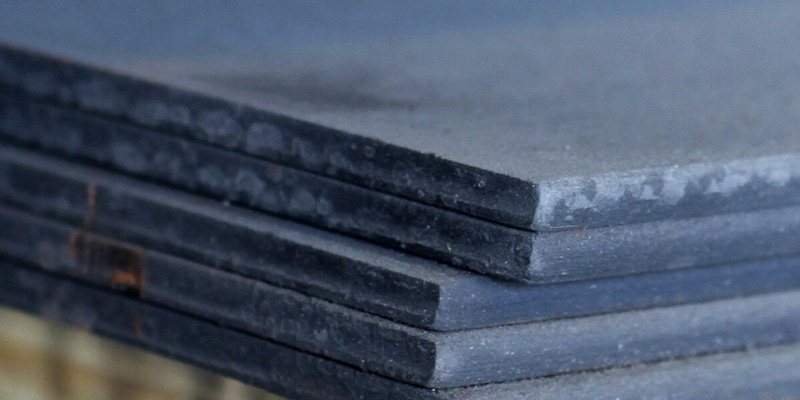
Whether you are in the construction, manufacturing, or equipment industry, 1/4 steel plate 4x8 is the most versatile size.
1/4 Steel Plate 4x8 is a flat steel sheet measuring 4 feet wide by 8 feet long (48" x 96") with a thickness of 1/4 inch (6.35 mm). This dimension is one of the most common stock sizes for steel plate. This size is a industry standard due to its special size such as structural framing, platform flooring, truck beds, and machinery fabrication.
While it can be made from various steel grades, the most common is A36 carbon steel. The physical properties of A36 1/4 steel plate 4x8 in this size are:
Property | Specification |
Thickness | |
Width | |
Length | |
Surface Area | 32 square feet |
Weight per Sq. Ft. | |
Total Weight | |
Common Grade | |
Typical Yield Strength | 36,000 psi |
As of December 2025, retail prices for 1/4 inch A36 hot-rolled steel plate in a 4x8 sheet configuration typically range from $237 to $240 per sheet, excluding shipping and taxes.
For context, a full 4x8 sheet weighs approximately 326 pounds, with a theoretical weight of about 10.2 pounds per square foot.
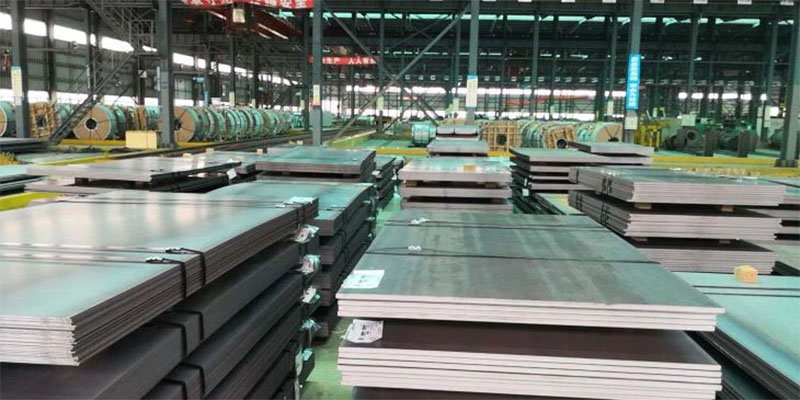
Prices can vary by region and supplier:
In the U.S. Gulf Coast area, wholesale benchmarks for hot-rolled carbon steel (FOB) hover around $0.85 to $0.92 per kg, translating to roughly $126 to $136 per sheet at the mill level. However, retail markups account for distribution, handling, and profit margins, pushing end-user costs higher.
Bulk purchases (e.g., 500+ pounds) may qualify for discounts, reducing the per-sheet price to $212–$225.
Specialized variants, such as diamond floor plate, command a premium, with prices around $302 per sheet.
It's important to note that these figures are snapshots; actual quotes should be obtained directly from suppliers, as freight costs and local taxes can add 10–20% to the total.
For international buyers, FOB prices in China are lower at $0.58–$0.64 per kg, but import tariffs and shipping inflate landed costs significantly.
Contact Chinese supplier to get a quote.
Below is a table of theoretical weights for various common plate thicknesses in 4x8 steel sheets.
Nominal Thickness (inches) | Weight per Square Foot (lb/ft²) | Total Weight for 4x8 Sheet (lb) |
3/16 | 7.65–7.66 | 244.8–245.1 |
1/4 | 10.2–10.21 | 326.4–326.7 |
5/16 | 12.76–12.8 | 408.3–409.6 |
3/8 | 15.3–15.31 | 489.6–490.0 |
1/2 | 20.4–20.42 | 652.8–653.4 |
5/8 | 25.5–25.52 | 816.0–816.6 |
3/4 | 30.6–30.63 | 979.2–980.2 |
7/8 | 35.7–35.73 | 1142.4–1143.4 |
1 | 40.8–40.84 | 1305.6–1306.9 |
1-1/8 | 45.9–45.94 | 1468.8–1470.1 |
1-1/4 | 51.0–51.05 | 1632.0–1633.6 |
1-1/2 | 61.2–61.26 | 1958.4–1960.3 |
1-3/4 | 71.4–71.47 | 2284.8–2287.0 |
2 | 81.6–81.68 | 2611.2–2613.8 |
2-1/2 | 102.0–102.1 | 3264.0–3267.2 |
3 | 122.4–122.52 | 3916.8–3920.6 |
This is derived from industry-standard data, using weight per square foot multiplied by 32 square feet. I've focused on imperial units and included the 1/4 inch row for emphasis.
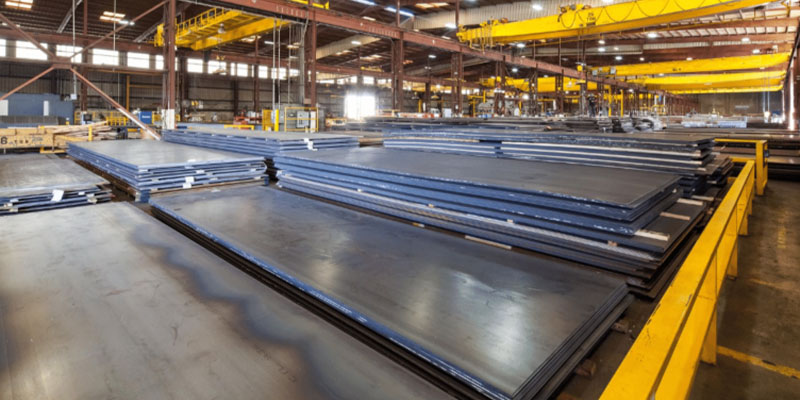
The final price of a 1/4 inch 4x8 plate is rarely static:
Raw Material Costs
Steel prices are tied to commodity markets. Iron ore, scrap metal, and alloying elements see volatility due to supply chain shifts, tariffs, or geopolitical events. For instance, a surge in nickel prices can increase stainless steel costs by 20–30%.
Grade and Composition
Higher-grade steels command premium prices. For example:
A36 Carbon Steel: Lowest cost, ideal for non-corrosive environments.
Stainless Steel (304/316): Priced higher due to chromium/nickel content but sensitive to supplier's surcharges.
Abrosion-Resistant or Weathering Steels: Premium pricing for specialized durability.
Manufacturing Process
Hot-Rolled Steel: Most common for 1/4-inch plates; cost-effective due to efficient production.
Cold-Rolled Steel: Smoother finish but higher cost from additional processing.
Patterned/Diamond Plate: Adds traction but increases price due to embossing costs.
Market Demand and Volume
Global infrastructure projects or regional construction booms can strain supply, raising prices. Bulk orders often reduce the per-unit cost through volume discounts.
Logistics and Location
Shipping heavy plates (a 1/4-inch 4x8 carbon steel plate weighs ~360 lbs) incurs freight fees. Proximity to mills or ports lowers costs, while remote sites face surcharges.
Supplier Markups
Service centers may add 15–40% margins for processing, cutting, or certification. Buying directly from mills can reduce costs for large orders.
The following are typical prices for 1/4 steel plates 4x8 feet, but actual prices fluctuate daily:
Grade | Price per Sheet (USD) | Applications |
A36 Carbon Steel | 200–300 | Structural frames, platforms |
304 Stainless Steel | 1,000–1,500 | Food processing, chemical equipment |
316 Stainless Steel | 1,250–1,850 | Marine, high-corrosion environments |
Alloy Steel (e.g., AR450) | 700–1,200 | Mining equipment, wear surfaces |
Note: Prices exclude tariffs, cutting fees, or certification costs. Stainless steel plate prices are highly volatile due to nickel market fluctuations.
When sourcing 1/4 steel plate 4x8, prioritize verified suppliers for quality assurance and consider locking in prices with forward contracts if you forecast rises. Always factor in total landed costs, including freight and processing.
If you're planning a project, contact us for a quote—we offer competitive prices, quick delivery, and expert guidance for your needs.
Prices are based on publicly available data as of December 23, 2025, and may change.
Stay informed on market shifts, and feel free to reach out with questions.


