
Views: 17 Author: Monica Publish Time: 2026-01-12 Origin: Site


One common inquiry is whether 316L stainless steel is hypoallergenic, especially for those with nickel allergies. Someone thinks that st steel 316L only releases nickel in humid, acidic environments and that ear piercings don't qualify. In this blog, we'll explore why 316L isn't fully hypoallergenic.
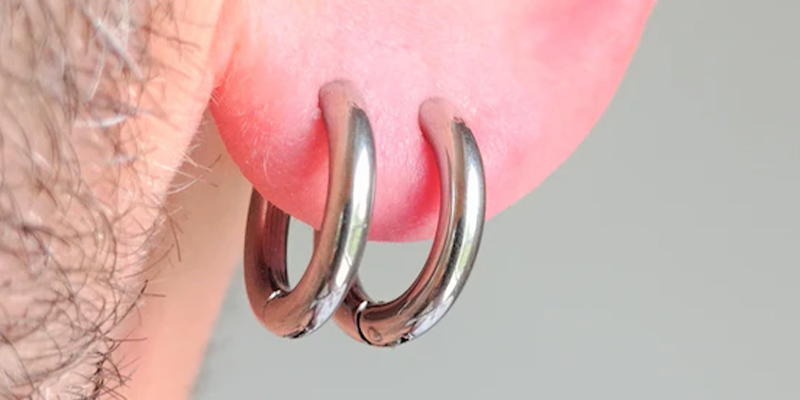
316L stainless steel is not a hypoallergenic material because it contains nickel, which can leach out and cause allergic reactions in sensitive individuals.
While 316L's corrosion resistance minimizes risk in short-term or low-moisture use, ear piercings create a semi-occluded, moist environment conducive to gradual nickel release. Scientific evidence from corrosion studies and allergy registries indicates that 316L can cause reactions in 5-10% of nickel-sensitive wearers, even without overt acidity.
That said, for mildly sensitive or non-allergic people, 316L is often tolerable and is ASTM F138-certified for implants. Alternatives like titanium Grade 23 or niobium are truly nickel-free and more reliably hypoallergenic.
Hypoallergenic materials are those unlikely to cause allergic reactions, but the term isn't strictly regulated.
For nickel-sensitive individuals, allergies arise from nickel ions (Ni²⁺) binding to skin proteins, triggering an immune response like contact dermatitis, which includes redness, itching, or swelling.
Your assumption is that 316L's passivation layer stays intact in non-acidic, dry settings, blocking nickel leaching.
However, scientific studies show this isn't always true, especially in prolonged skin contact like ear piercings. Here's why:
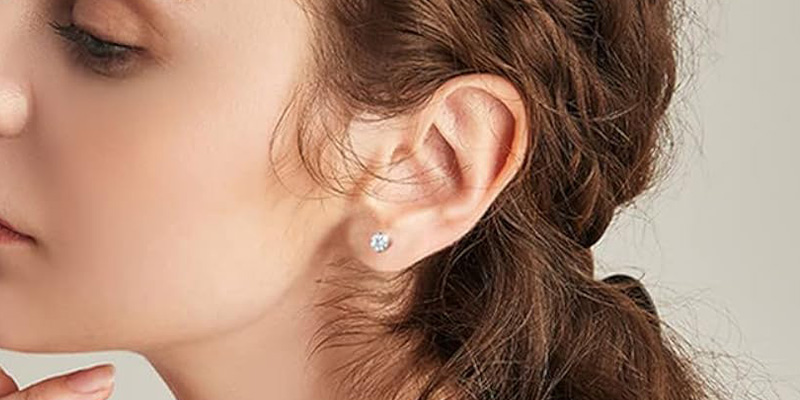
1. Body Fluids Create a Corrosive Microenvironment
Ear piercings involve direct contact with skin, sweat, and sometimes sebum or wound fluids. Human sweat has a pH of 4.5-7.0, often leaning acidic due to lactic acid and urea.
In pierced areas, especially during healing, the site can become more humid and acidic from inflammation, bacterial activity, or even minor infections. Bacteria like Staphylococcus can produce acids, lowering local pH further.
Research in dermatology and materials science indicates that even mild acidity (pH <6) can slowly degrade the passivation layer over time. A study published in the Journal of Biomedical Materials Research (2008) tested 316L in simulated body fluids and found measurable nickel release after extended exposure, albeit at low levels (0.01-0.5 μg/cm²/week).
While this is below EU nickel release limits for jewelry, it's enough to sensitize highly allergic individuals.
2. Mechanical Wear and Tear
Jewelry in piercings isn't static. Friction from movement, cleaning, or insertion/removal can abrade the surface, disrupting the chromium oxide layer. Once compromised, the alloy exposes nickel to moisture. Electrochemical reactions then occur: Nickel oxidizes and dissolves as ions, a process called pitting or crevice corrosion. In humid skin contact, this can happen without immersion in strong acids.
A 2015 review in Contact Dermatitis analyzed nickel release from stainless steel jewelry and noted that 316L, while better than lower grades like 304, still leached nickel in 10-20% of sensitive users during wear tests simulating skin contact.
3. Individual Variability in Allergy Thresholds
Not all nickel allergies are equal.
Some people react to traces as low as 0.1 μg/cm², while others tolerate more. The client's view assumes a uniform "safe" environment, but factors like sweat rate, skin pH, and genetics vary.
For instance, atopic individuals (prone to allergies) may experience faster sensitization.
Clinical data from the American Contact Dermatitis Society shows that up to 15% of the population is nickel-allergic, and many report reactions to "surgical" stainless steel despite its reputation.
We cannot yet definitively say whether 316L stainless steel earrings are safe.
While many wearers have experienced no issues, existing cases of allergic reactions suggest caution is warranted. For first-time piercings or those allergic to nickel, medical-grade titanium is the most recommended option, as it eliminates the risk of nickel exposure.
Does 316L stainless steel tarnish?
No, 316L stainless steel does not tarnish under normal environmental conditions due to its self-forming chromium oxide passive layer.
316L stainless steel contains chromium (16-18%) that reacts with oxygen to create a protective oxide layer on the surface. This passive layer prevents oxidation and discoloration that typically causes tarnishing in other metals.
While the surface may accumulate dirt, oils, or fingerprints that affect appearance, the underlying metal remains protected.
Is 316L stainless steel hypoallergenic?
No, 316L stainless steel is not truly hypoallergenic because it contains nickel that can potentially leach out and cause allergic reactions in sensitive individuals.
While 316L stainless steel has excellent corrosion resistance and the chromium oxide layer typically prevents nickel release under normal conditions, it cannot be classified as hypoallergenic.
The material contains significant nickel content that may become exposed through surface wear, scratches, or in acidic environments. For individuals with known nickel allergies, even small amounts of nickel ion release can trigger contact dermatitis. True hypoallergenic materials like titanium or niobium contain no nickel and present lower allergy risks for sensitive populations.
Is 316L stainless steel good for jewelry?
Yes, 316L stainless steel is generally good for jewelry applications due to its excellent corrosion resistance, durability, and cost-effectiveness, though it may not be suitable for individuals with nickel sensitivities.
316L stainless steel offers practical advantages for jewelry manufacturing including high strength, resistance to everyday chemicals, and minimal maintenance requirements.
However, the presence of nickel means it cannot be recommended for people with known nickel allergies, particularly for items with prolonged skin contact like earrings or body jewelry.


